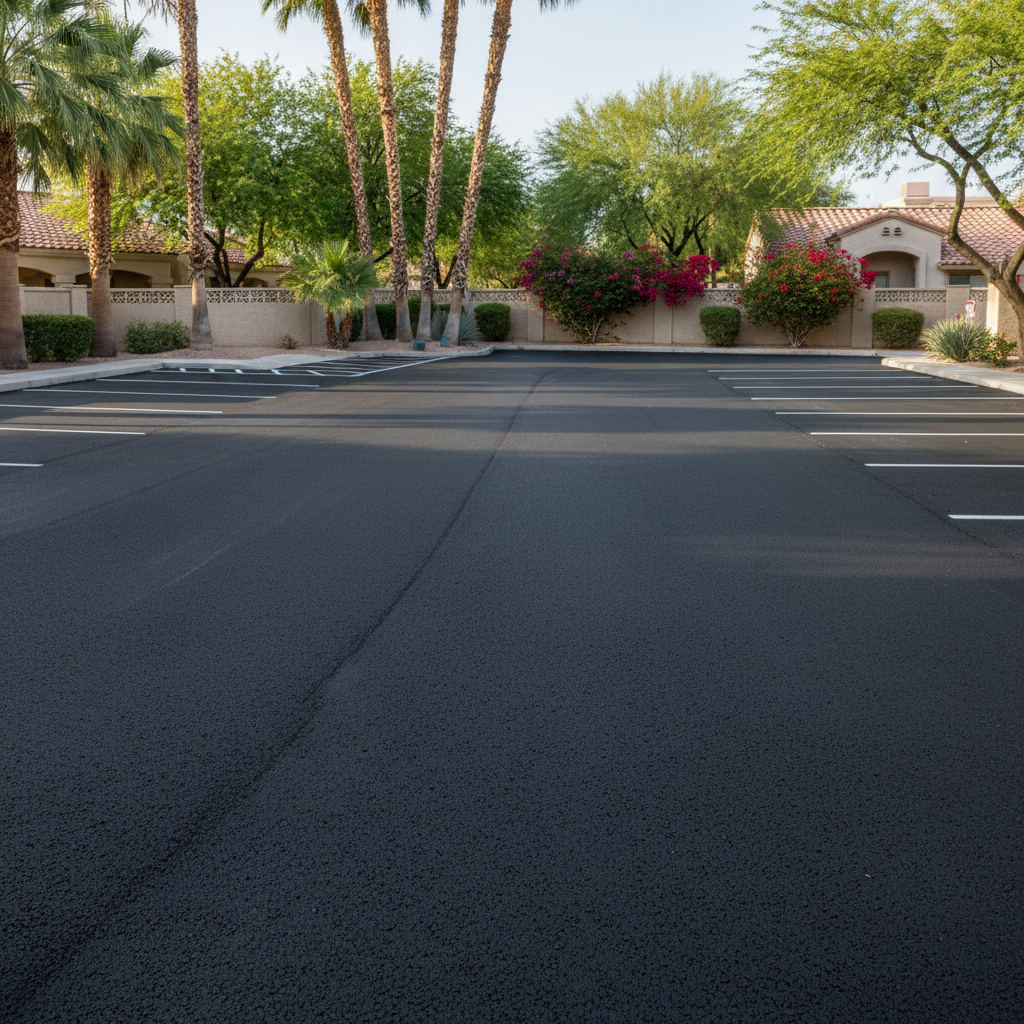
Ever driven past a parking lot and thought, 'Man, that place looks neglected?' You probably have. A well-maintained parking lot isn't just about looking good; it's a critical part of your business's infrastructure and safety. Here in Phoenix, with our brutal sun and monsoon rains, asphalt really takes a beating. So, how do you make sure your parking lot lasts as long as possible and doesn't become an eyesore or, worse, a liability?
Why Phoenix Asphalt Needs Extra TLC
Let's be real, our climate isn't kind to anything outdoors, especially asphalt. That intense summer sun, with temperatures regularly hitting 115 degrees, bakes the oils right out of the asphalt. This makes it brittle, which leads to cracks. Then you get the sudden, heavy downpours during monsoon season. Water seeps into those cracks, and when it expands and contracts with temperature changes—or just sits there—it causes even more damage. You also have to consider the heavy vehicle traffic, especially in busy commercial areas like those around Scottsdale Road or in downtown Phoenix. All these factors speed up wear and tear.
Regular Maintenance: Your Best Defense
Think of your parking lot like your car. You wouldn't skip oil changes, right? Same goes for your asphalt. Regular maintenance is the single most effective way to extend its lifespan and avoid costly major repairs down the road.
Sweeping and Cleaning: This might sound basic, but it's crucial. Dirt, sand, and debris can hold moisture against the asphalt, speeding up deterioration. Plus, sharp rocks can get ground into the surface by tires, causing small pits. Regular sweeping, especially in high-traffic areas or after a dust storm, keeps the surface clean and dry.
Drainage Checks: After a good rain, walk your lot. Are there puddles forming? Standing water is asphalt's enemy. It softens the surface, leads to potholes, and can undermine the base. Make sure drains are clear of debris and that water is flowing off the lot as designed. If you see consistent pooling, you've got a problem that needs addressing.
Crack Sealing: This is probably the most important maintenance step. As soon as you see a crack, get it sealed. I can't stress this enough. A small crack is cheap to fix. But a small crack that turns into a pothole because water got in and froze (not often here, but it happens in winter) or just sat there and weakened the base? That's a much bigger, more expensive repair. We're talking about preventing water infiltration, which is the root cause of most asphalt failures.
Sealcoating: Think of sealcoating as sunscreen for your asphalt. It's a protective layer that replenishes the oils lost to the sun, stops water from getting in, and gives your lot a fresh, black appearance. For Phoenix, I usually recommend sealcoating every 2-3 years, depending on traffic volume and how much sun exposure the lot gets. It's a relatively inexpensive way to protect your investment and make a great first impression.
Warning Signs You Can't Ignore
You don't need to be an asphalt expert to spot trouble. Keep an eye out for these red flags:
Cracks: We already talked about these, but they bear repeating. Any crack, whether it's a thin hairline or a wider alligator crack (which looks just like alligator skin), needs attention. Alligator cracking indicates a deeper structural problem.
Potholes: These are obvious. They're not just ugly; they're a hazard for vehicles and pedestrians. Potholes start small and grow quickly, especially with our heavy traffic and occasional downpours.
Fading and Discoloration: If your asphalt looks gray instead of black, it means the sun has baked out the binders. It's losing its flexibility and protective qualities. That's a clear sign it's time for sealcoating.
Standing Water: Again, puddles are bad news. They indicate drainage issues or low spots that will eventually lead to deterioration.
Raveling: This is when the aggregate (the small stones) starts to come loose from the asphalt surface. It makes the surface rough and indicates the binder is failing.
Depressions or Uneven Surfaces: If you see areas that are sinking or have developed ripples, it could mean there's a problem with the sub-base beneath the asphalt. This is a more serious issue.
When to Call a Professional (Like Peak Asphalt Co.)
Look, some things you can handle yourself, like picking up trash. But when it comes to asphalt, there's a point where you need to bring in the pros. You should call us, or another reputable contractor, when:
You see extensive cracking or alligator cracking: This isn't a simple patch job. It often requires milling out sections or even a complete overlay.
Potholes are numerous or very large: While small potholes can be patched, a lot of them signals a systemic issue that needs a professional assessment.
You have drainage problems that aren't easily fixed: If clearing a drain doesn't solve the pooling, you might need grading adjustments or new drainage solutions.
It's time for sealcoating: This is a specialized process that requires proper equipment and materials to ensure a smooth, durable finish. Don't try to DIY this on a large parking lot; you'll regret it.
You're considering a major repair or an overlay: If your lot is showing significant signs of age and wear, an expert can evaluate whether you need a simple overlay, a mill and pave, or a complete reconstruction. We'll give you an honest assessment of the most cost-effective solution for your property.
You want an assessment and a maintenance plan: Sometimes, you just want an expert eye to tell you what needs doing and when. We can walk your lot with you, point out potential issues, and help you put together a proactive maintenance schedule to protect your investment for years to come.
Your parking lot is a big investment and a key part of your business's image and safety. Don't let it fall into disrepair. A little proactive care goes a long way, especially here in the Valley of the Sun. Keep an eye on it, address small issues quickly, and don't hesitate to call Peak Asphalt Co. when the job calls for professional expertise.