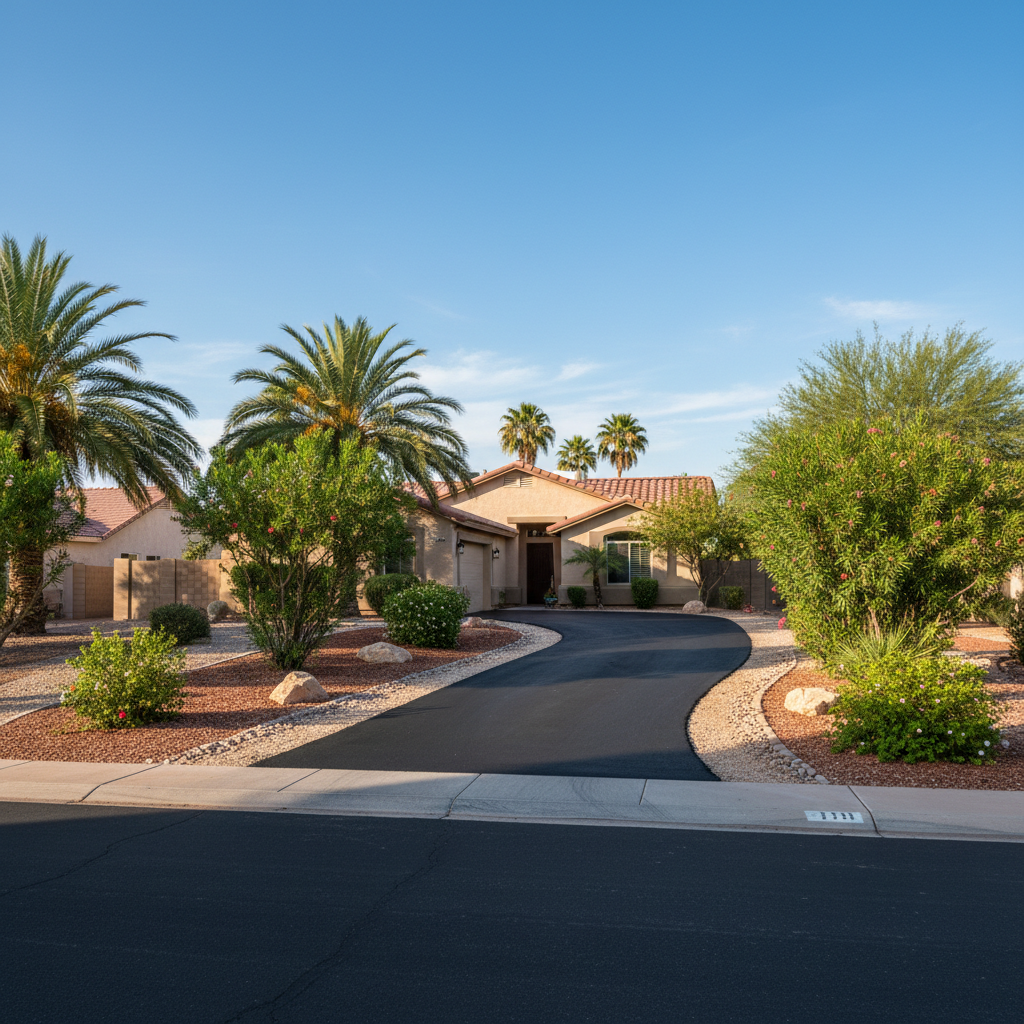
Phoenix Heat & Your Asphalt Driveway: What You Need to Know
You've got an asphalt driveway, or you're thinking of getting one, here in Phoenix. That's great, but let me tell you, our climate isn't exactly kind to pavement. I've been doing this for years with Peak Asphalt Co, and I've seen firsthand what our scorching summers and occasional monsoon downpours do to asphalt. It's not just about getting it laid down; it's about doing it right and protecting it afterward. Let's talk about when to schedule, what weather really matters, and how to make your investment last.
When's the Best Time to Pave in Phoenix?
This is probably the most common question I get. You might think summer's good because it's hot, but that's actually often too hot for fresh asphalt. Asphalt needs to cool and cure properly, and if it's 115 degrees out, that process gets messed up. The oils can dry out too fast, leading to premature cracking and a shorter lifespan for your pavement.
So, when's ideal? I always tell folks:
- Fall (October-November): This is prime time. The daytime temperatures are usually in the 80s or low 90s, and the nights cool down nicely. This allows the asphalt to compact well and cure at a steady rate.
- Winter (December-February): Still a solid choice. We get plenty of sunny days, and the temperatures are usually perfect for asphalt work, often in the 60s and 70s. You might run into some cooler mornings, but we can work around that.
- Spring (March-April): Another good window before the real heat kicks in. Just watch out for those early heat waves that can sometimes sneak up on us.
What about summer? Honestly, we try to avoid major paving projects from May through September unless it's absolutely necessary, and even then, we're working super early mornings or late evenings to beat the peak heat. It's just not ideal for the material or the crew.
Weather Conditions That Affect Asphalt Work
It's not just temperature; a few other things can throw a wrench in the works:
- Rain: This is a big one. You can't pave on wet ground. Period. Asphalt needs a dry, stable base to adhere to, and rain compromises that. If we've had a monsoon storm roll through, even if it's sunny the next day, we might need to wait for the ground to dry out completely.
- Extreme Cold: While rare here, if it dips below about 50 degrees Fahrenheit, it can make the asphalt too stiff to work with effectively, preventing proper compaction. This isn't usually an issue in Phoenix, but it's something to keep in mind for those odd cold snaps.
- High Winds: Not a deal-breaker, but high winds can cause the asphalt to cool too quickly, especially on larger jobs. It also makes it harder to keep the work area clean and dust-free.
We're always checking the forecast multiple times a day when we've got a job scheduled. We'll let you know if we need to adjust due to weather. It's all about ensuring the best possible outcome for your driveway.
Protecting Your Asphalt Investment Year-Round
Once your asphalt is down and cured, your job isn't over. Our Phoenix climate will try its best to break it down. Here's what you can do:
- Sealcoating: This is your asphalt's sunscreen and raincoat. I recommend sealcoating every 2-3 years, especially here. It protects against UV rays, water penetration, and oil spills. It's a small investment that pays off big time in extending your driveway's life. Think of it like painting your house – you wouldn't let the stucco go bare for years, would you?
- Crack Sealing: See a crack? Don't ignore it. Even small cracks can let water seep in, and that water expands and contracts with temperature changes, making the crack bigger. Get them sealed promptly to prevent more serious damage.
- Keep it Clean: Oil, gas, and other chemicals can break down asphalt. Clean up spills quickly. Also, keep heavy vehicles off your driveway if it wasn't designed for them. If you've got an RV, make sure your paving can handle that weight.
- Water Management: Ensure proper drainage around your driveway. If water pools on or next to it, it'll accelerate deterioration. This is especially true in areas like Sunnyslope where older homes might have less-than-ideal grading.
Taking these steps will save you a lot of headaches and money down the road. A well-maintained asphalt driveway can last 20 years or more, even under our harsh Arizona sun. If you've got questions about your specific situation, don't hesitate to give us a call at Peak Asphalt Co. We're here to help you keep your pavement in top shape.